
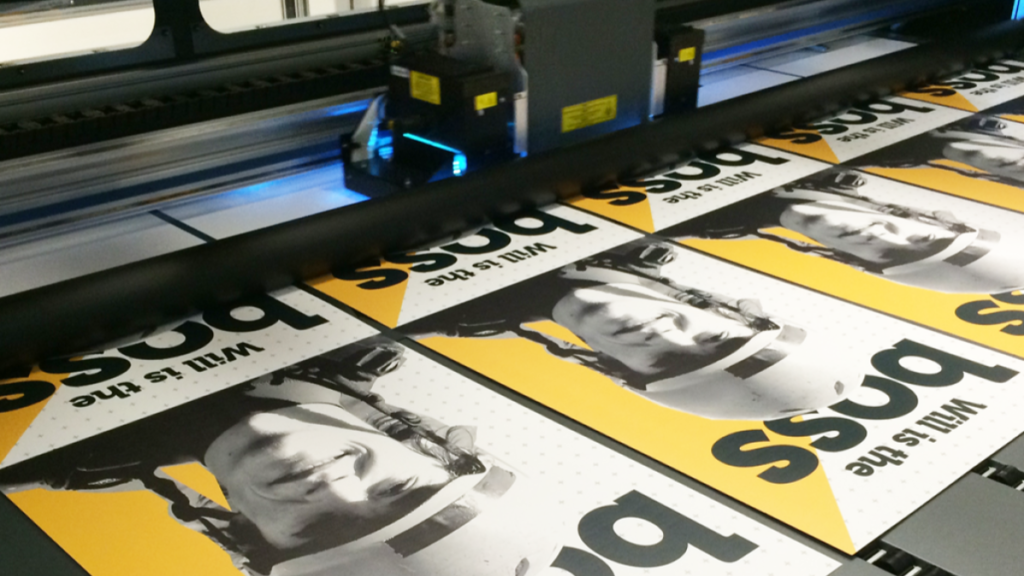
UV coating vs lamination is one of those “small” print decisions that shows up later in a very annoying way. Like when your perfectly designed cards start scuffing after one weekend, or your glossy piece looks great until fingerprints turn it into a crime scene.
So here’s the plain-English guide. What each finish is, what it’s good at, what it’s bad at, and how to pick without overthinking it.
UV coating vs lamination: what each one actually is
UV coating is a liquid coating applied to the printed sheet, then cured (hardened) with ultraviolet light. Think “thin, hard layer” that’s fast and can look very slick.
Lamination is a plastic film bonded to the sheet. Think “wrap the paper in a protective jacket.” It adds thickness, can change the feel a lot, and usually takes more abuse before it looks tired.
If you remember nothing else: UV coating is a hardened coating. Lamination is a bonded film. Different tools, different results.
Durability in real life: scuffs, scratches, and handling
This is where people get surprised.
UV coating durability
UV coating is usually chosen because it’s:
- Fast to produce
- Good at making colors pop
- More resistant to scuffing than uncoated paper
- Great for pieces that won’t be constantly bent or folded
But UV coating isn’t magic. It can still scratch. And on pieces that get creased or folded, some UV-coated stocks can crack at the fold line. If you’re printing something that must fold cleanly (menus, some packaging, certain inserts), you need to think twice.
Lamination durability
Lamination is usually chosen because it’s:
- More protective overall
- Better for heavy handling (constant touch, bags, pockets, desk life)
- More resistant to wear over time
But lamination has its own quirks:
- The edges can get beat up if a piece is constantly sliding around.
- Lamination can show “white stress” on folds if the piece is scored poorly or folded aggressively (depends on film, adhesive, and stock).
- It adds thickness, which can change how a product feels and stacks.
So if you’re printing something that gets handled like a playing card, lamination often wins on toughness. If it’s a premium postcard or flyer that needs protection and pop, UV coating can be the simpler choice.
Matte, gloss, satin, and soft-touch: what you’re really buying
Finish is not just “shiny vs not shiny.” It affects readability, fingerprints, and the vibe of the piece.
Gloss
- Looks punchy, especially with photos and bold colors
- Shows fingerprints more easily (depends on coating/film)
- Can create glare under strong lighting
Gloss UV coating is the classic “wow” look for marketing pieces. Gloss lamination is more of a “this will survive anything” look.
Matte and satin
- Easier to read under lighting
- Looks more modern (in my opinion)
- Hides fingerprints better than high-gloss finishes
Matte UV coating can still look premium, just less reflective. Matte lamination tends to feel sturdier and slightly thicker.
Soft-touch lamination
Soft-touch films are matte, but the real point is the feel. It’s that smooth “velvet” finish you see on higher-end packaging and some premium cards.
It’s great when:
- the piece will be held a lot
- you want it to feel expensive (without yelling about it)
- you want reduced glare with a more tactile finish
The trade-off: soft-touch can show scuffs in certain lighting if the film isn’t very scuff-resistant. (There are scuff-resistant soft-touch films, but not every print shop uses the same stuff.)
Where aqueous coating fits (and why it still exists)
Not every “coated” piece is UV coated. Aqueous coating (often called AQ) is water-based and commonly used as a general-purpose protective finish.
Aqueous coating tends to be:
- Good for rub and scuff resistance compared to uncoated paper
- More flexible than some UV coatings (helpful for folds and creases)
- A common choice for booklets, brochures, and general commercial print
It usually won’t give the same “hard shell” feel as UV coating, and it won’t match lamination for heavy-duty protection. But it’s a solid middle option when you need decent protection and a print-friendly workflow.
If your piece needs to fold, and you still want a protective finish, aqueous is often worth asking about.
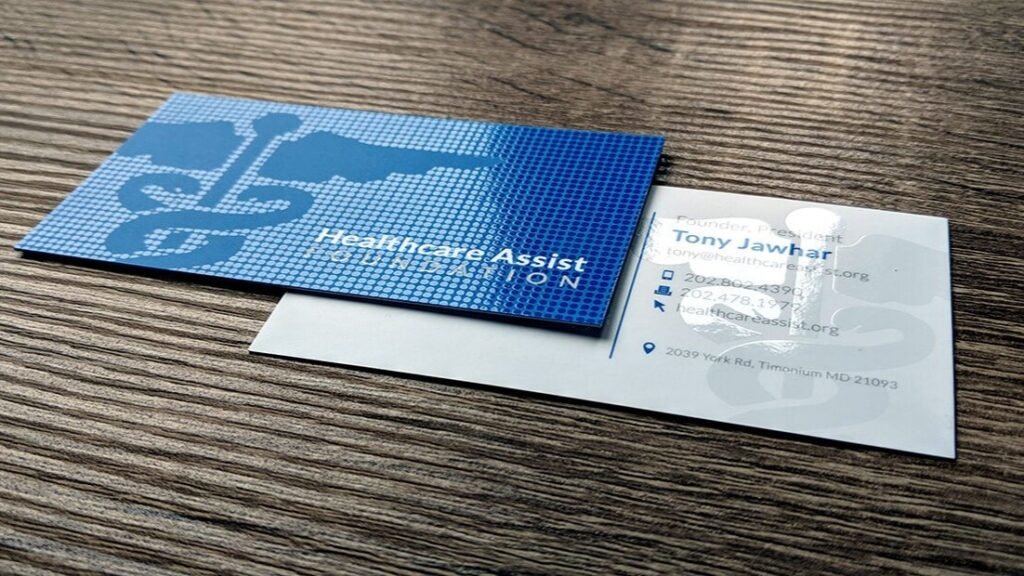
Spot UV vs flood UV: the “highlight” trick
You’ll hear two terms:
- Flood UV: coating over the entire piece
- Spot UV: coating only in selected areas (logo, title, art elements)
Spot UV is mostly about contrast. A matte background with glossy highlights can look awesome. It’s also a good way to make a logo pop without making the whole piece reflective.
Just remember: spot UV adds production steps. It’s not “free.” And it works best when the design is built for it, not when someone tries to slap it onto an already busy layout.
Picking a finish by product type (quick guide)
Here’s a practical chooser. Not perfect, but it’ll get you 90% there.
Trading cards, game cards, and high-handling pieces
- Best bet: lamination (often matte or soft-touch) for durability
- Also works: UV coating when you want crisp pop and the cards won’t be constantly abused
- Avoid: finishes that crack when bent if your product will flex a lot
If you’re building custom card files, your life gets easier when your layouts are already correct. This guide helps with the basics (trim, bleed, safe zone):
Trading Card Sizes and Specs: Standard, Oversized, and Custom
Stickers and labels
This one’s different because sticker “lamination” often means a protective overlaminate layer on vinyl or BOPP.
- Outdoor, waterproof-ish needs: laminated vinyl or durable label stock with laminate
- Packaging labels: matte or gloss laminate depending on look, plus abrasion needs
- QR codes: prioritize readability and testing over aesthetic choices
If you’re still in the “what size even works” stage, start here:
Sticker Size Guide for Small Businesses: What Works (and What Usually Goes Wrong)
Menus, book covers, stuff that gets wiped down
- Best bet: lamination
- Why: frequent handling, spills, cleaning, and general abuse
Brochures, postcards, flyers
- Common pick: UV coating or aqueous coating
- Why: good protection, sharp look, fast turnaround
If it’s a handout that will live for one event, lamination is usually overkill.
Packaging and premium product cards
- Premium look: matte or soft-touch lamination, or matte with spot UV accents
- If it’s folding packaging: pay attention to cracking risk and score lines
File prep tips that prevent finish-related heartbreak
This is the stuff that feels boring until it saves you a reprint.
1) Build in bleed and keep a safe zone
If your art goes to the edge, you need bleed. And your text should not ride the trim line like it’s trying to die.
Even if you already know this, it’s worth repeating because it’s the most common cause of “why is there a white sliver on the edge.”
2) Avoid ultra-thin borders
Thin borders plus any cutting shift equals sadness. And lamination can make edge issues feel more noticeable because the finish catches light.
If you want a border look, go thicker and leave more breathing room.
3) Don’t assume folds will behave
If your piece folds (or might get creased), test it. Some UV finishes can crack on folds. Some laminations can stress at folds if scoring isn’t right. A quick prototype saves a lot of money.
4) Consider how the piece will be touched
A glossy finish on something that gets handled constantly can become a fingerprint magnet. Matte reduces glare and hides a lot of sins.
5) Think about stacking and friction
Cards sliding against each other can scuff. If the product is designed for repeated shuffling, rubbing, or stacking, toughness matters more than “looks amazing on day one.”
FAQ
Is UV coating waterproof?
It can add some moisture resistance, but it’s not the same as sealing something in plastic. If you need serious wipe-down durability, lamination is usually the safer bet.
Does UV coating make colors look better?
Often yes. UV coating is commonly chosen because it can boost perceived vibrancy and give prints a crisp, finished look.
Is lamination always thicker?
Yes, because you’re adding a film layer. That’s part of the benefit. It can also be part of the problem if you’re trying to match a very specific thickness or “shuffle feel.”
What’s better for a premium feel?
Soft-touch lamination is a strong contender. Matte plus spot UV can also look very premium when the design is built for it.
So… UV coating vs lamination, which should i pick?
If you want the simplest rule:
- Pick UV coating for fast, clean protection and visual punch on flat pieces.
- Pick lamination when the piece will live a hard life (handling, wiping, constant friction).
Conclusion
UV coating vs lamination isn’t a “which is better” question. It’s a “what problem are we solving” question.
If you’re printing cards, labels, stickers, or marketing pieces, the finish is the last step that decides whether the product feels cheap or feels intentional. Pick the finish based on handling, folding, and wear, not just the photo you saw on someone else’s product page.
And if you’re unsure, prototype one of each. It’s annoying, but it’s cheaper than reprinting 500 pieces you hate.